Rare bats
Read more
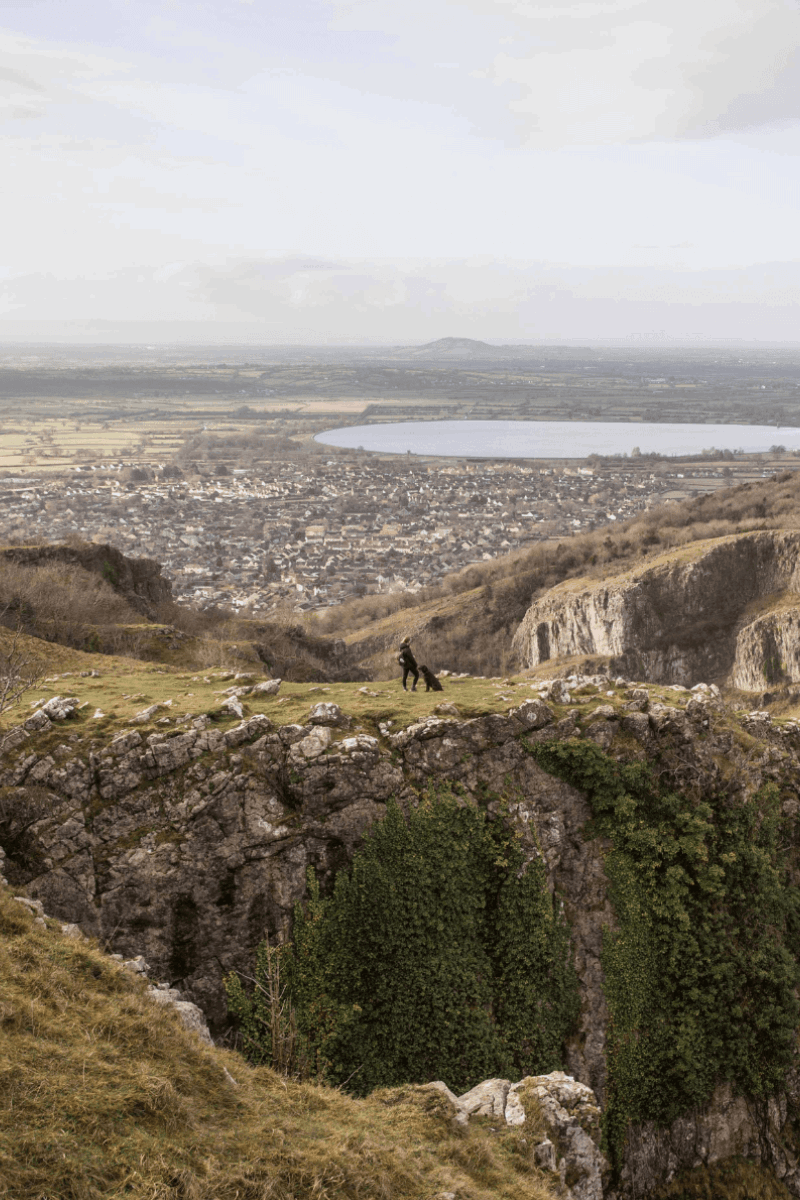
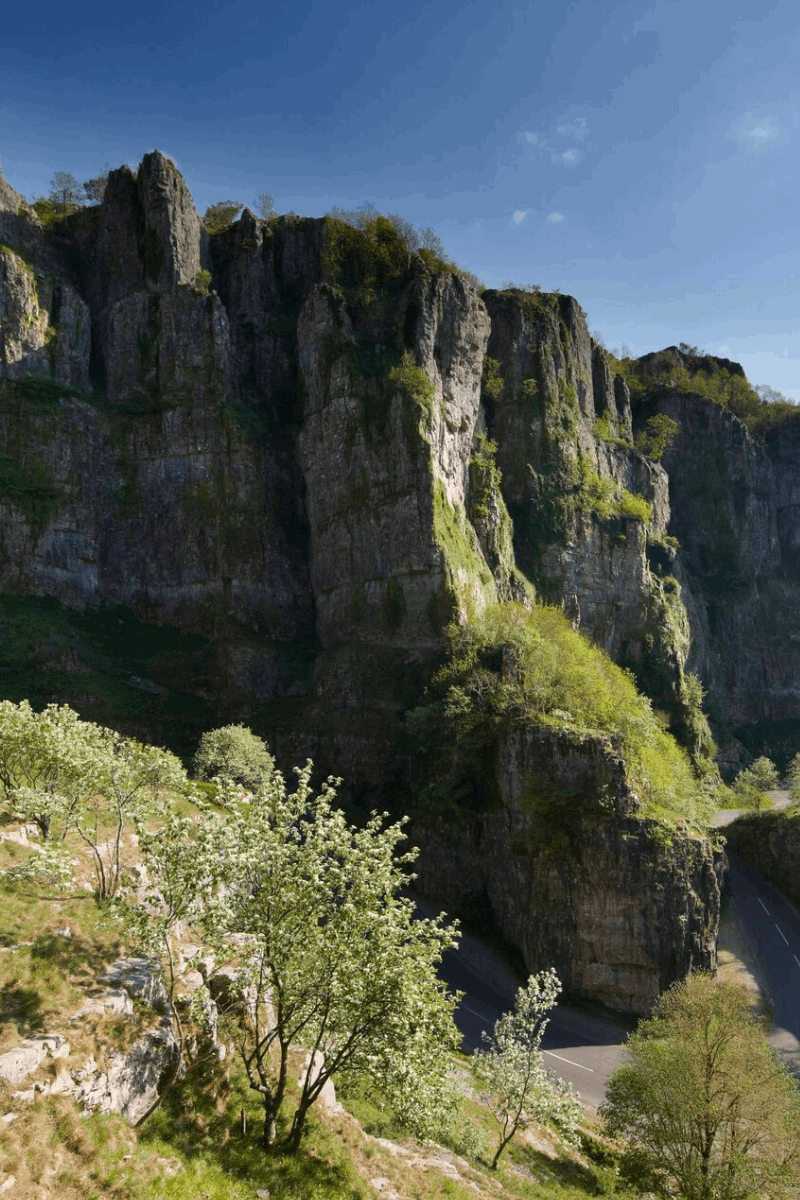
Cheddar Gorge is one of the UK’s most important landscapes for wildlife, shaped by dramatic limestone cliffs, wildflower-rich grasslands, and ancient woodlands formed over thousands of years. This unique combination of habitats supports an incredible range of species, including rare plants found nowhere else, internationally important bat populations and the elusive dormouse. Through careful conservation management, we are working to protect and restore these habitats, so the Gorge continues to thrive for wildlife and people alike.
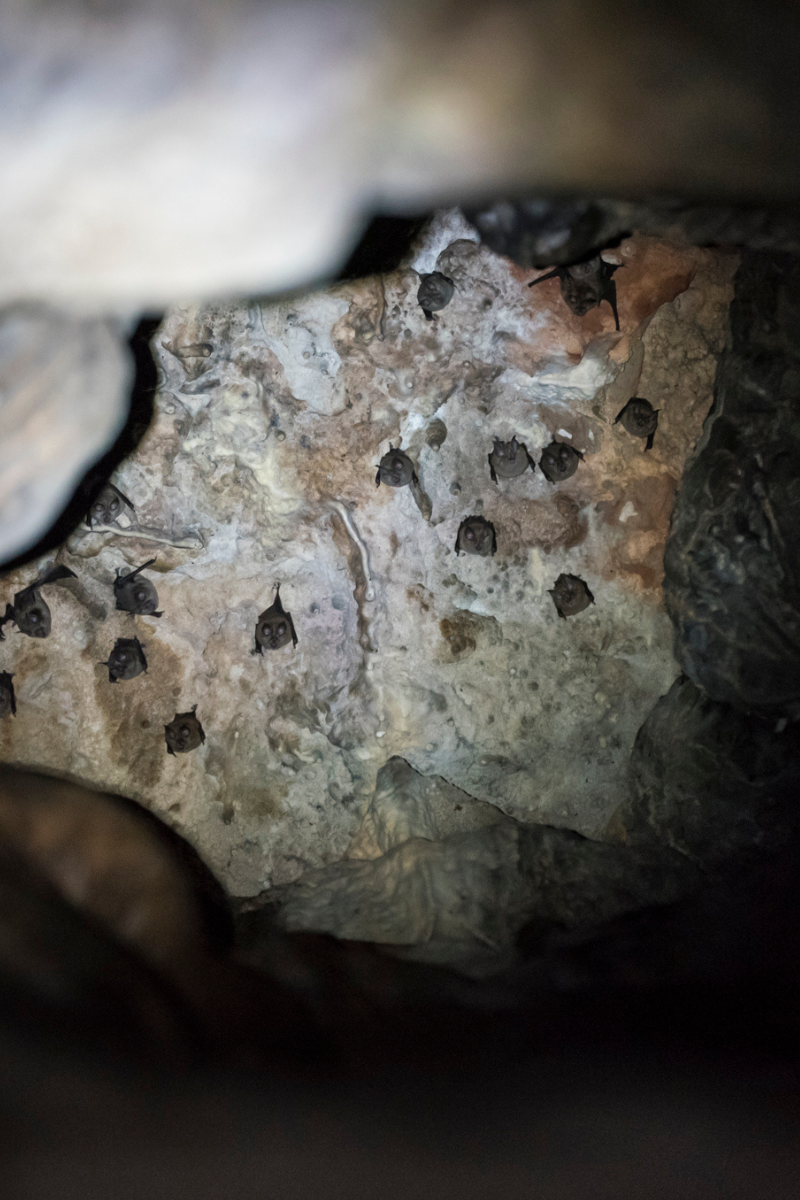
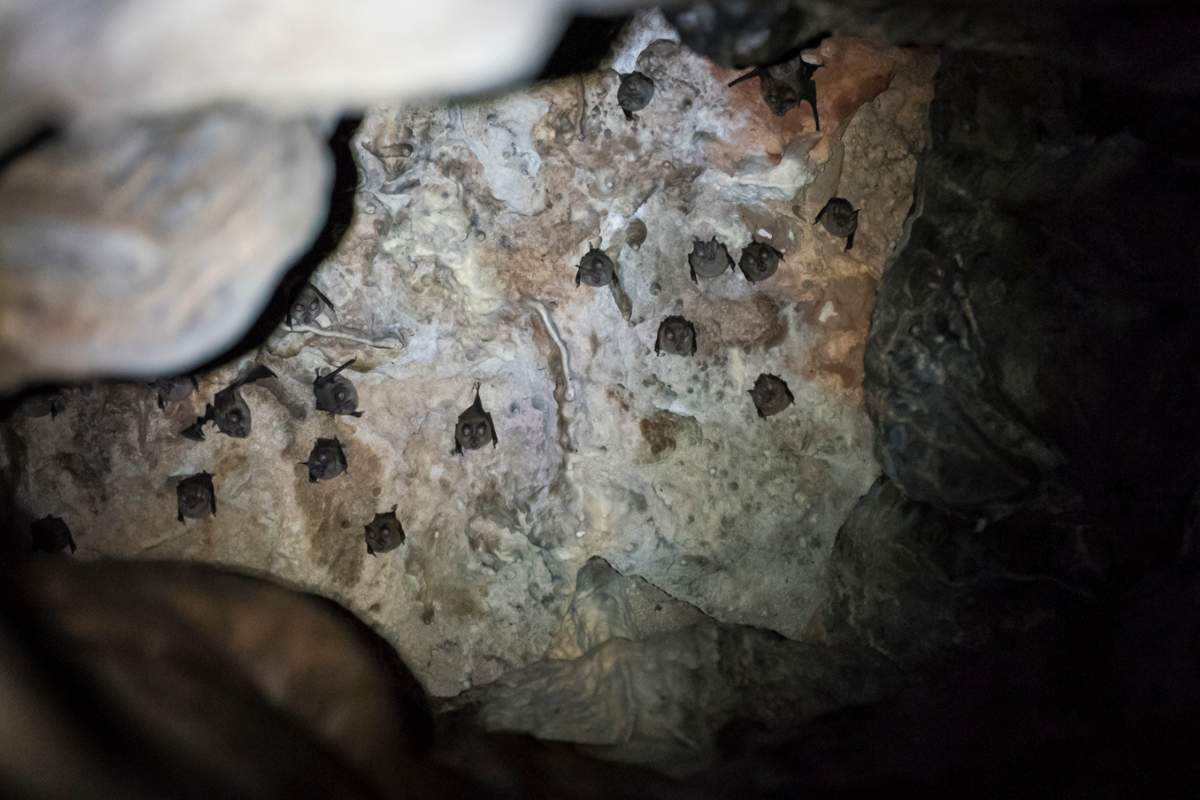
Cheddar Gorge is internationally recognised for its bat populations, forming part of the North Somerset & Mendip Bats Special Area of Conservation (SAC). The caves, cliffs, woodland, and surrounding grasslands create an ideal habitat for species such as the greater and lesser horseshoe bats. The caves host one of the largest greater horseshoe roosts in the region, with over 600 bats recorded using the cave system, underscoring Cheddar’s importance to the species.
These bats rely on a connected network of habitats — dark, undisturbed roosts, sheltered commuting routes, and insect-rich feeding areas. Even small changes to lighting, vegetation, or land management can affect how they use the landscape.
Our conservation work focuses on protecting roost features in trees and caves, maintaining dark corridors, and managing habitats to support abundant insect prey. Ongoing monitoring helps us understand how bats use the Gorge and ensures that management decisions are evidence-led.
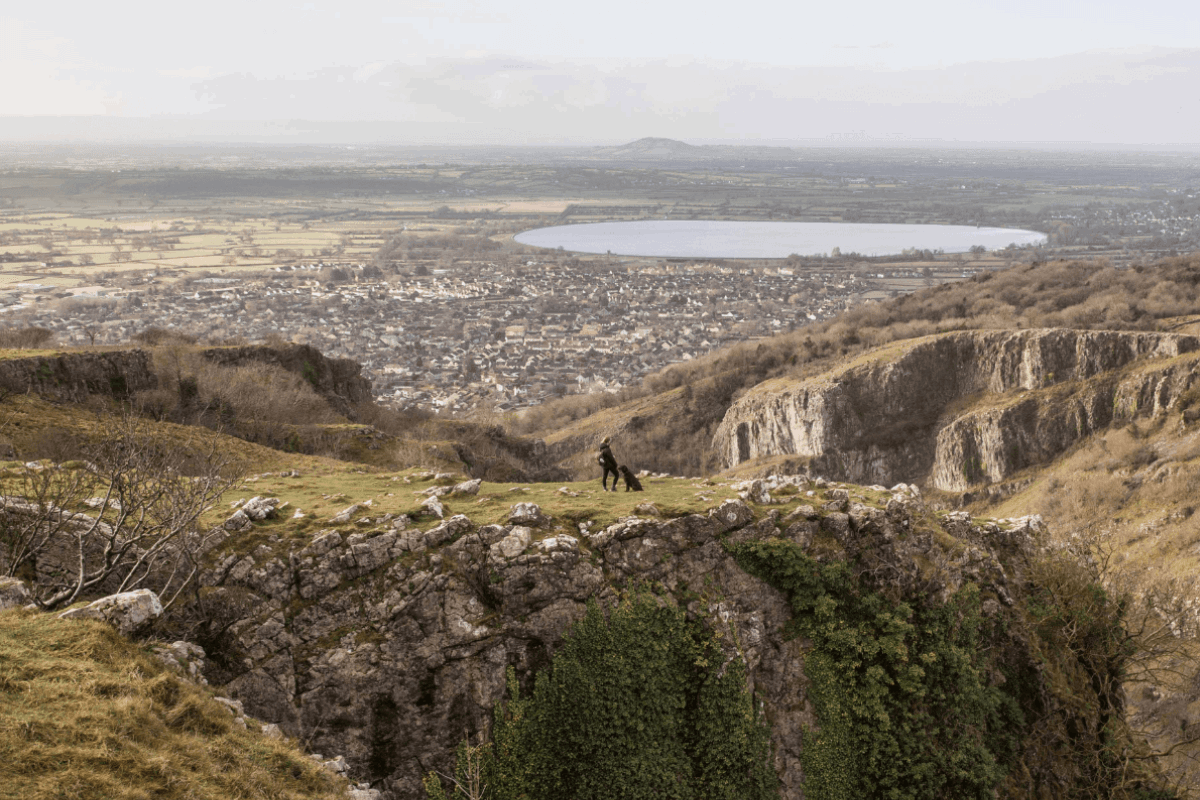
The open slopes above and within the Gorge support species-rich limestone grassland, one of the UK’s most valuable and threatened habitats. These grasslands, which develop over thousands of years on thin, lime-rich soils, are home to an exceptional diversity of wildflowers and invertebrates.
Without careful management, these habitats can change quickly. Scrub and coarse grasses can dominate, shading out the delicate plants that define this ecosystem and reducing its biodiversity value.
We manage these grasslands through carefully controlled grazing and targeted scrub management, maintaining the open structure and varied sward that allows wildlife to thrive. This work also supports the wider landscape, including the bats that depend on grassland insects for food.
Cheddar Gorge is one of Britain’s most important sites for rare and specialised plants. Its cliffs, ledges, and grasslands support a remarkable concentration of species, many of which are nationally scarce or globally threatened.
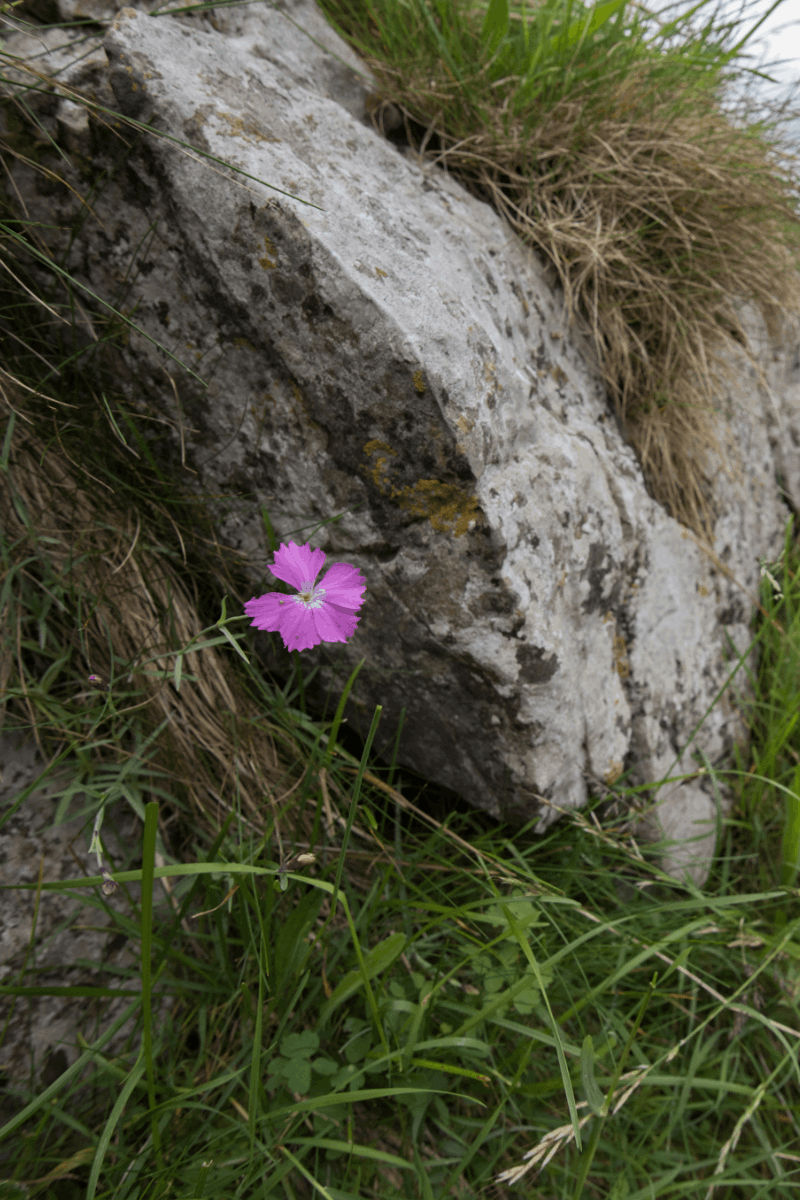
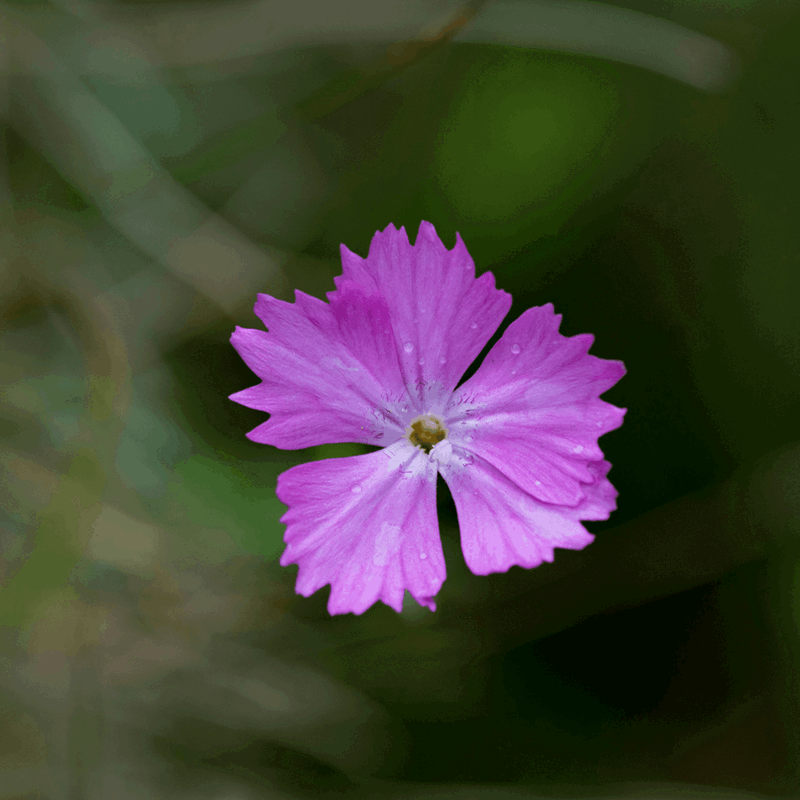
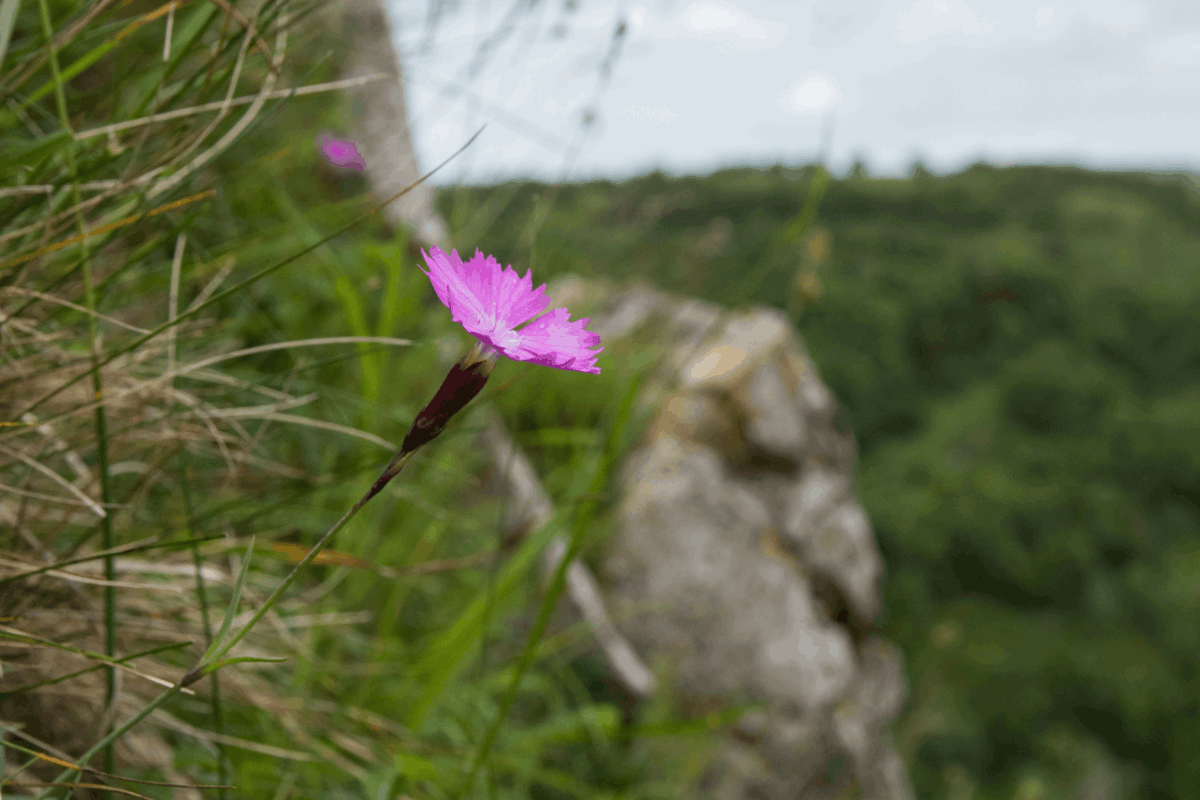
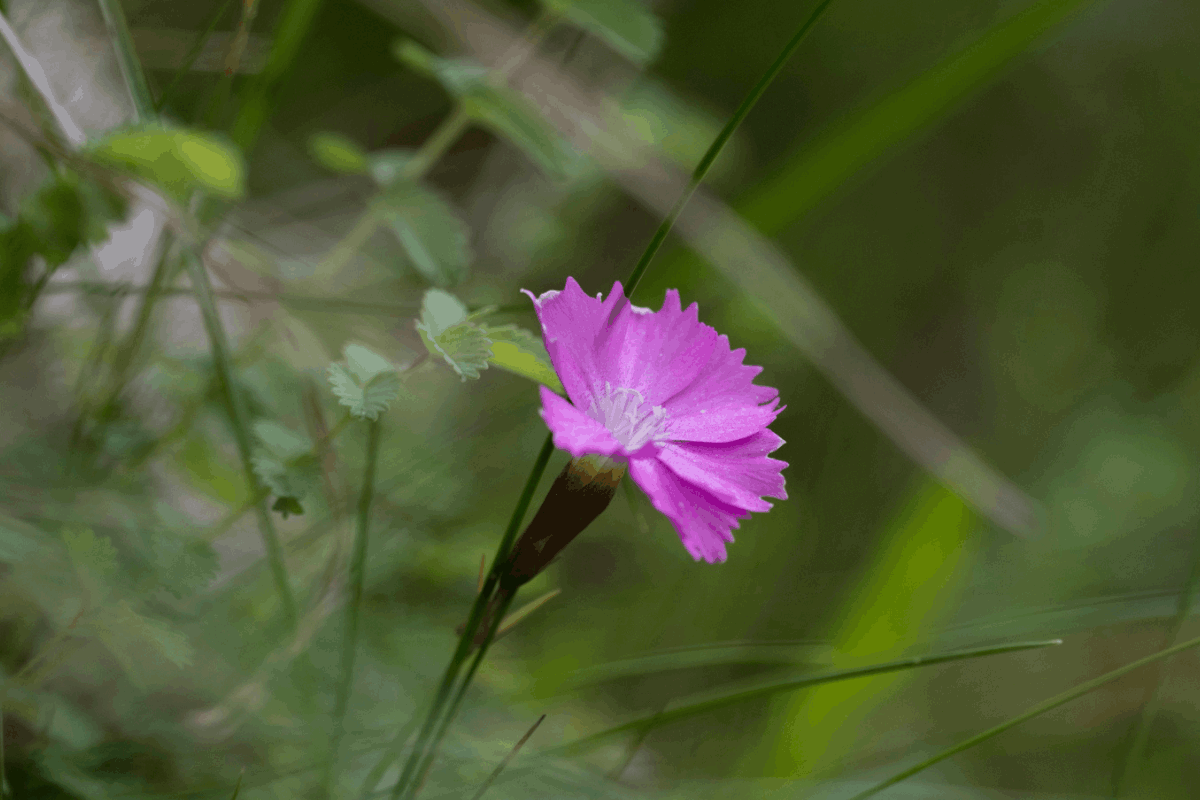
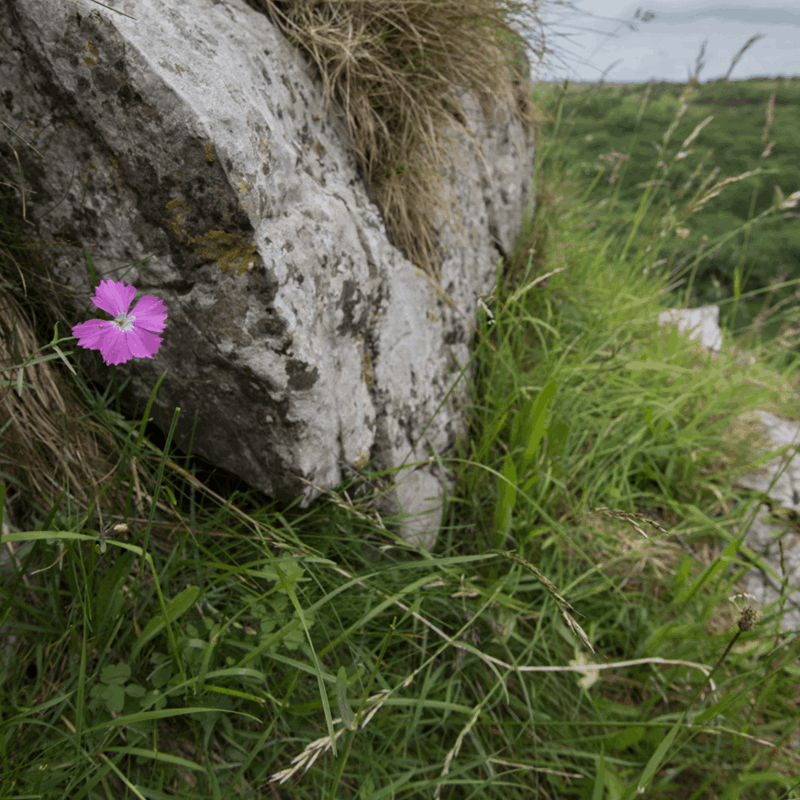
Among these is the iconic Cheddar pink, a plant found naturally in only a handful of locations. Alongside it are species such as Cheddar bedstraw, Cheddar hawkweed, and Pale St-John’s wort — each adapted to very specific conditions of light, soil, and exposure.
These plants depend on a delicate balance. Too little grazing or management allows scrub to take over, while excessive disturbance can damage fragile cliff and rock habitats. Our conservation approach focuses on maintaining open conditions, protecting key locations, and carefully managing visitor pressure in sensitive areas.
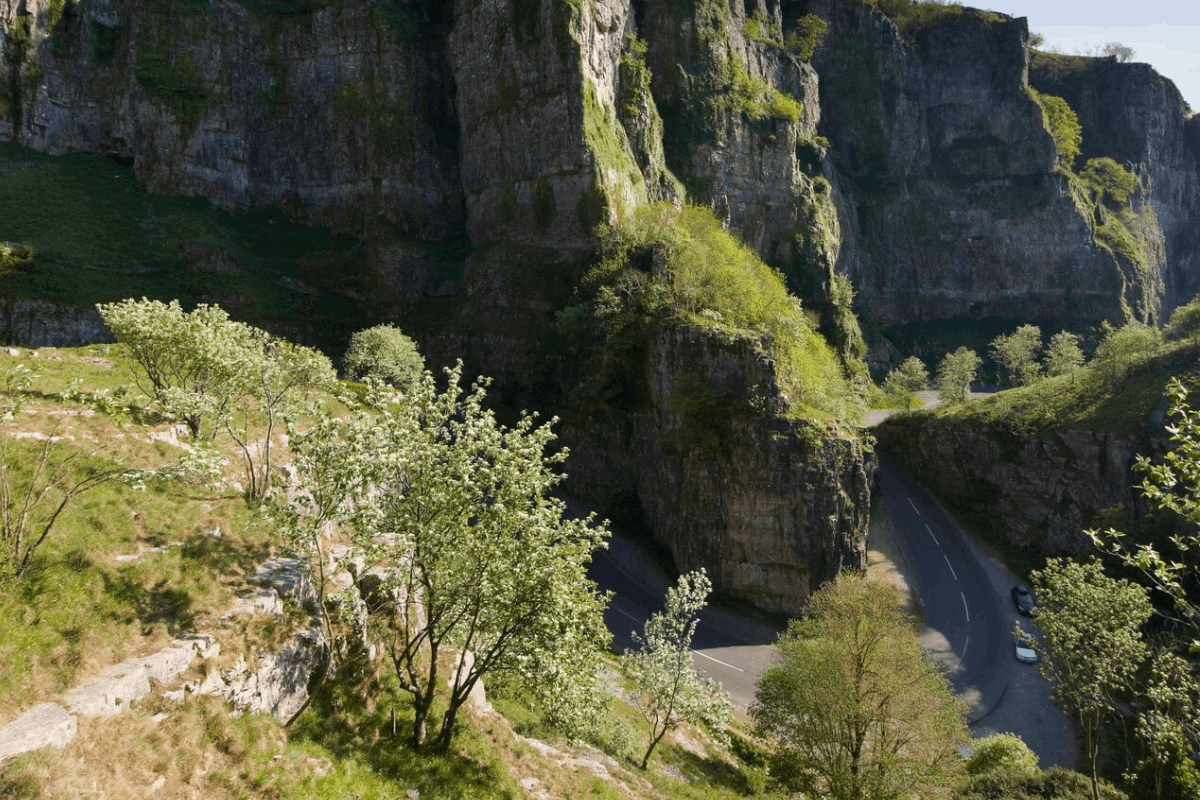
Cheddar Gorge is a global hotspot for whitebeam trees (Sorbus species) — a group of rare and often highly localised species that have evolved in isolation on limestone cliffs and slopes.
Several of these species, including the Cheddar whitebeam, are found almost nowhere else in the world and are classified as threatened or critically endangered. Their presence reflects the unique geology and long ecological history of the Gorge.
Whitebeams often grow on steep, inaccessible slopes where competition is limited, but they remain vulnerable to habitat change, disease, and small population size. Conservation efforts focus on protecting existing trees, maintaining suitable habitat conditions, and improving understanding of their distribution and ecology.
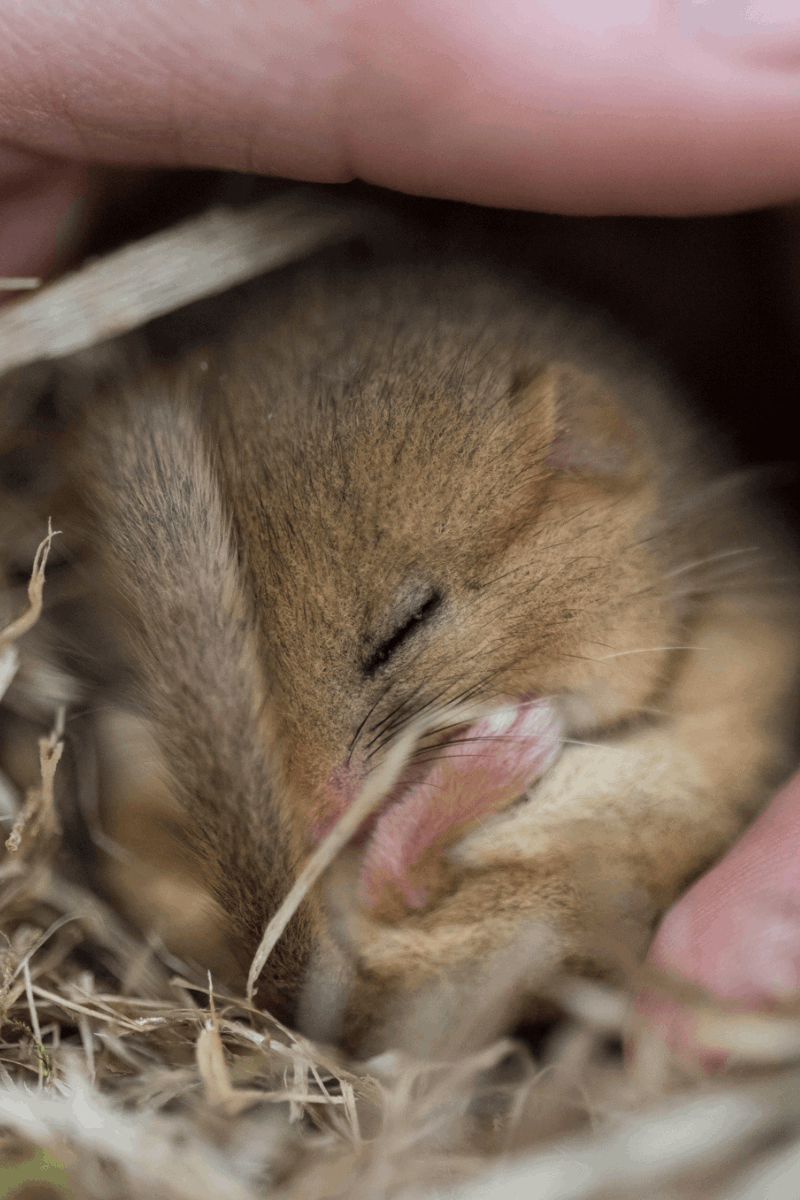
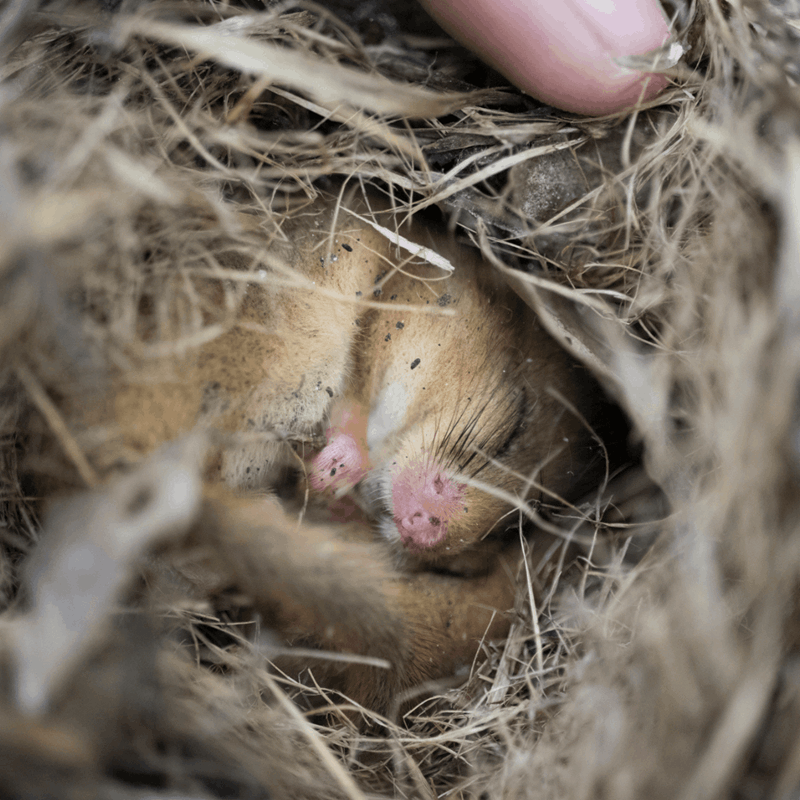
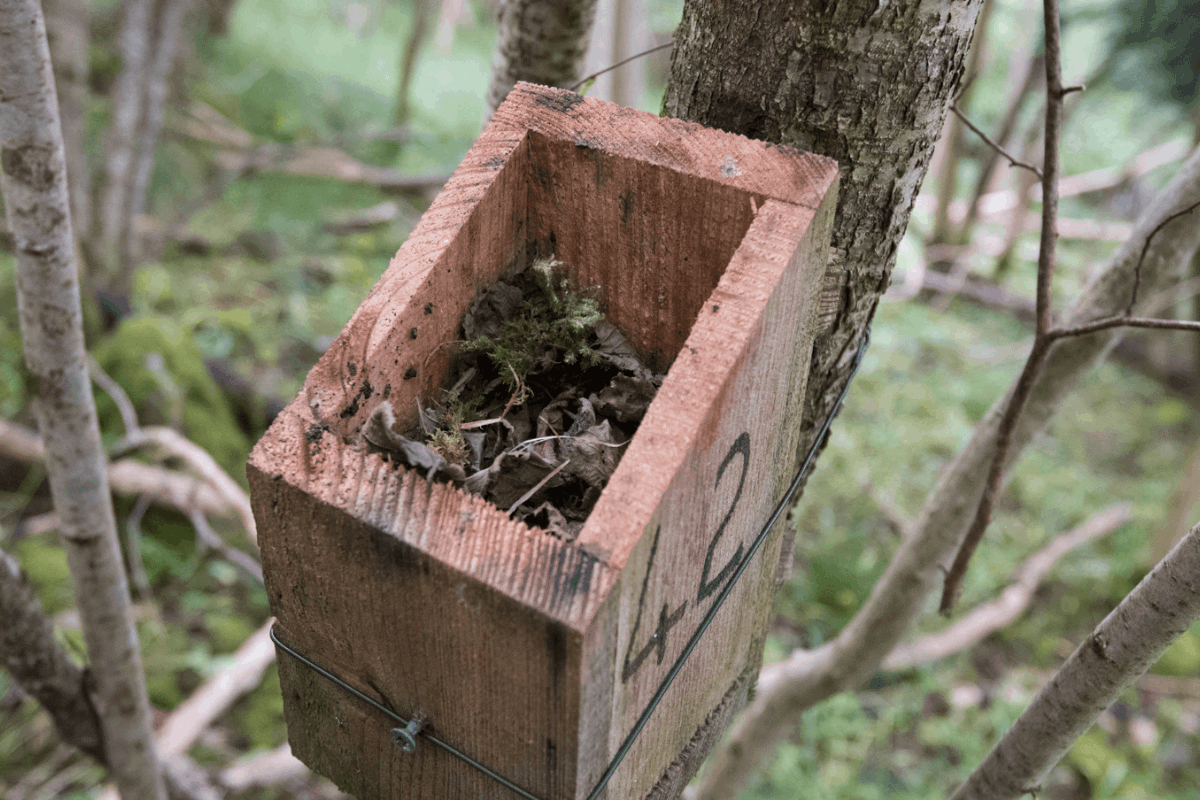
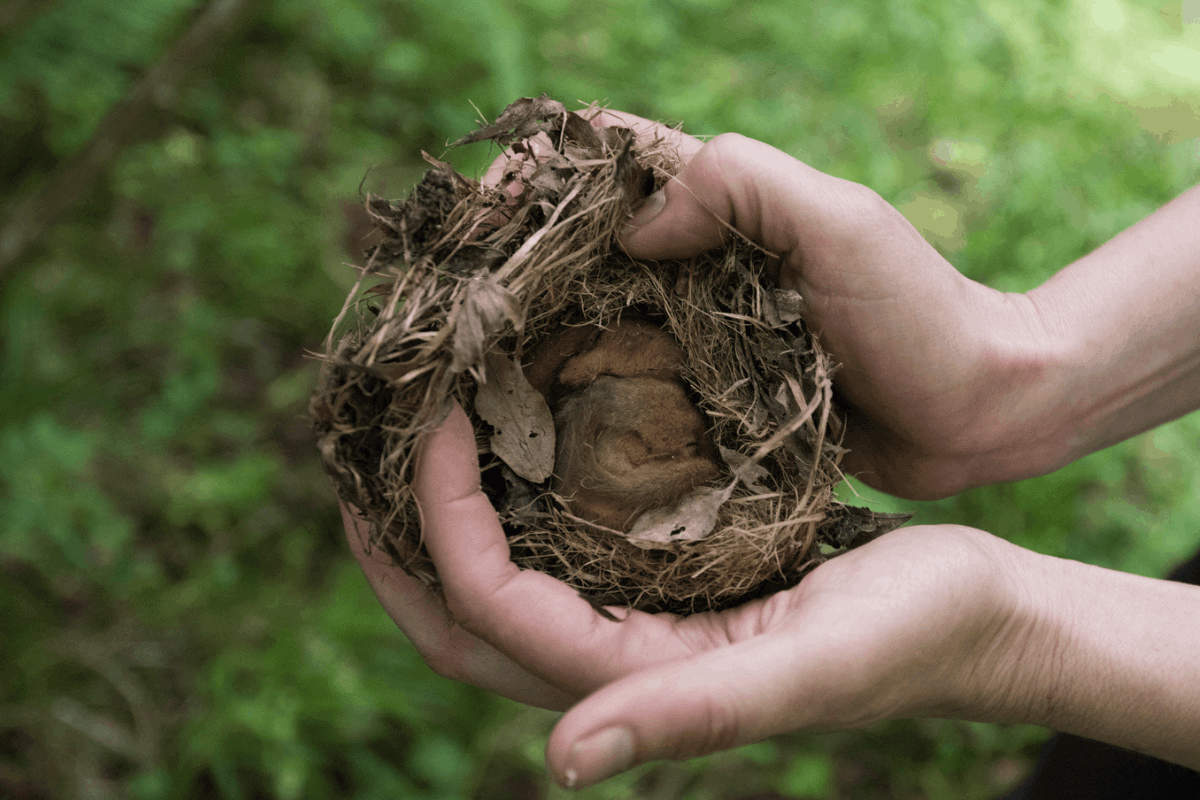
The woodlands and scrub habitats of Cheddar Gorge support populations of the hazel dormouse, one of the UK’s most protected and elusive mammals. Dormice are highly reliant on well-connected networks of woodland, scrub, and hedgerows to move through the landscape.
They spend much of their lives off the ground, travelling through branches and feeding on a seasonal mix of flowers, fruits, and insects. As a result, even small gaps in habitat or changes in vegetation structure can significantly affect their survival.
Our conservation work focuses on maintaining and enhancing habitat connectivity, ensuring a diverse tree and shrub structure, and monitoring populations using methods such as footprint tunnels and nest surveys. By managing the landscape in this way, we support not only dormice but a wide range of woodland wildlife.